Earth's layers of the atmosphere shape Australian weather and climate from the ground up. The atmosphere is usually described as five main layers, the troposphere, stratosphere, mesosphere, thermosphere and exosphere. Each layer plays a different role in weather, radiation protection and what we see in the night sky.
Key takeaways
- Most Australian weather happens in the troposphere, the lowest layer of the atmosphere.
- The stratosphere contains the ozone layer, which helps block harmful ultraviolet radiation.
- Atmospheric pressure falls with height, so air gets thinner as you move upward.
- The upper atmosphere is where aurora australis and some satellite positioning signals are affected.
- Upper-air winds also help shape Australian cyclone tracks, especially in the Southern Hemisphere.
How the layers of the atmosphere shape Australia
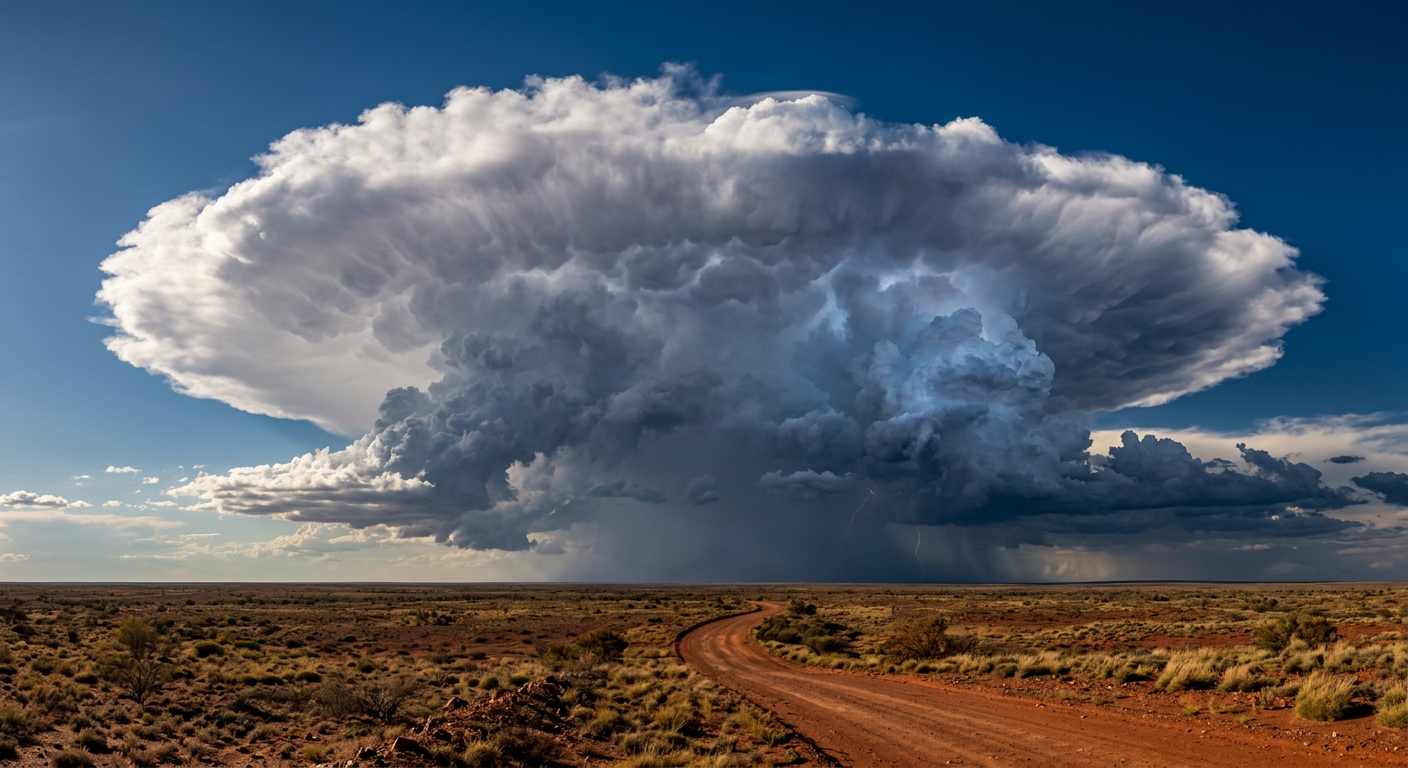
The atmosphere gets thinner with height, so atmospheric pressure drops as you rise above the surface. That change matters because air pressure, temperature and moisture all help set up clouds, winds and rain. The Bureau of Meteorology (BOM) uses upper-air observations and model data to track these changes for forecasting.
What are the layers of the atmosphere in Australia?
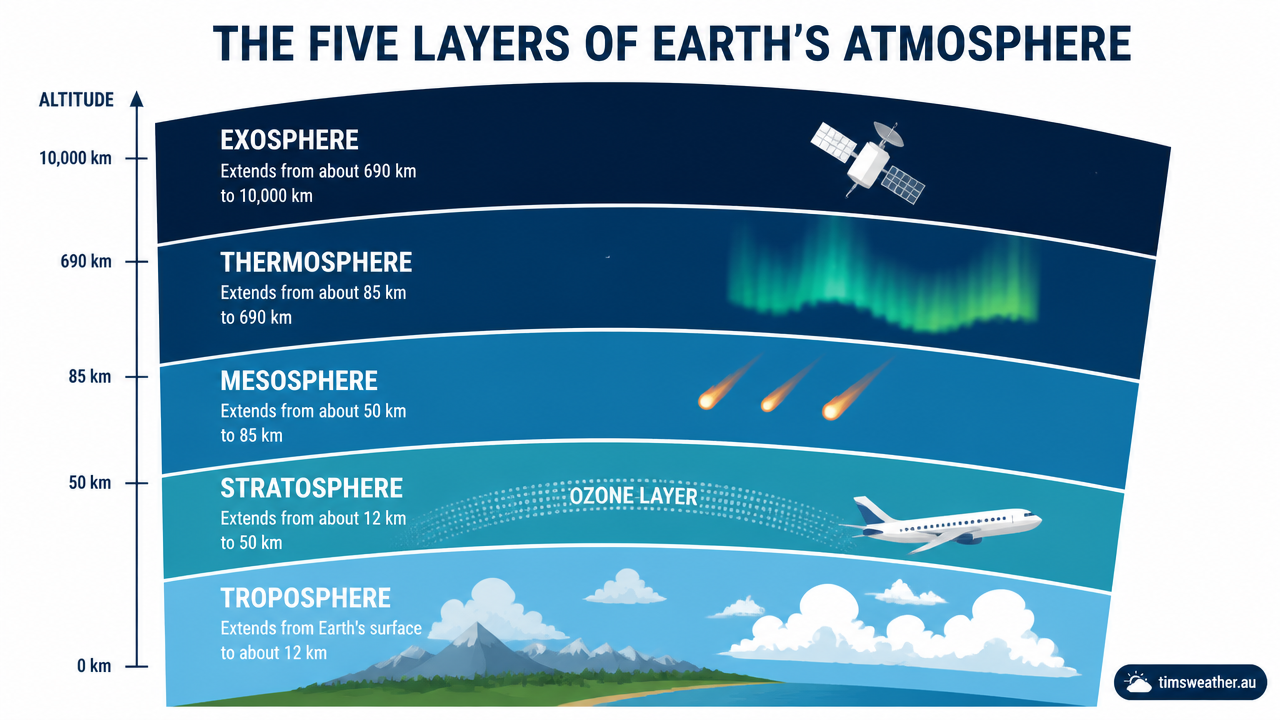
The atmosphere is commonly grouped into five layers: troposphere, stratosphere, mesosphere, thermosphere and exosphere. The ionosphere overlaps parts of the upper atmosphere, rather than standing as a separate main layer. That structure helps explain why weather, radio signals and auroras appear at different heights.
What are the 5 layers of the atmosphere in order?
From the surface upward, the five layers are the troposphere, stratosphere, mesosphere, thermosphere and exosphere. NASA describes this same sequence in its overview of Earth's atmosphere, which is why it is the standard order used in most teaching and forecasting material.
Atmospheric pressure gradients across the Australian continent
Pressure gradients are the differences in air pressure from one place to another. In simple terms, air moves from higher pressure toward lower pressure. That movement drives wind, and wind helps steer weather systems across Australia. In the Southern Hemisphere, the Coriolis effect also changes how those winds curve around highs and lows.
Measuring the troposphere: the BOM radiosonde network
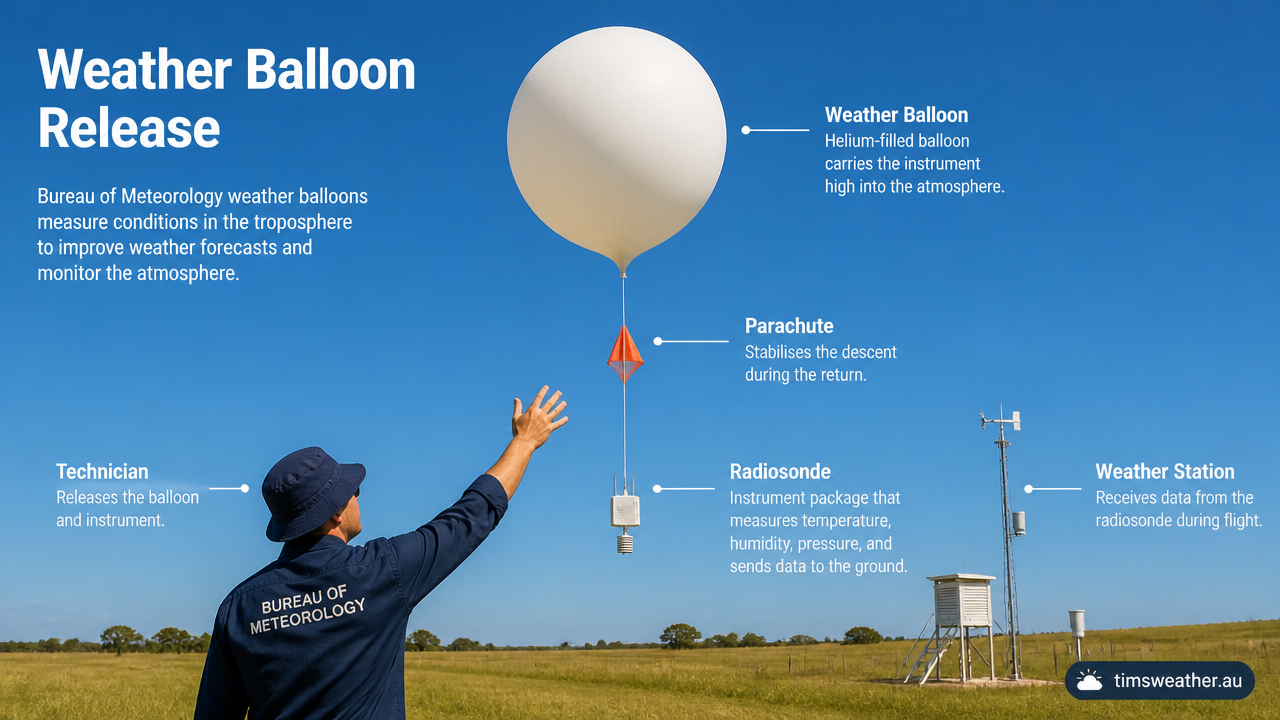
One of the best ways to sample the lower atmosphere is with radiosondes, which are instruments carried aloft by weather balloons. These balloons measure temperature, humidity, pressure and wind as they rise through the troposphere and into the layers above. That vertical profile helps forecasters understand storm structure, cold fronts and changes in wind shear.
The essential role of the troposphere
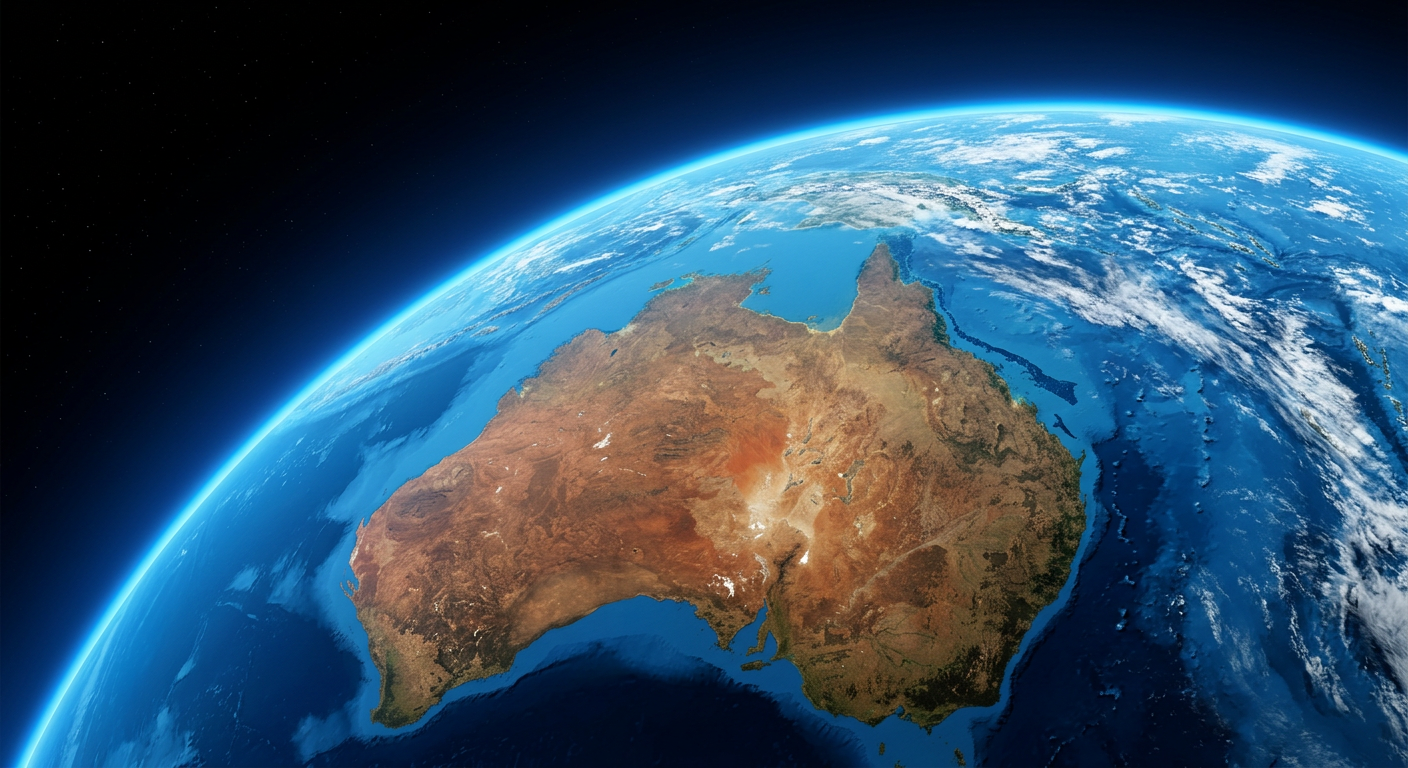
The troposphere is the lowest layer and contains most of the atmosphere's mass and almost all weather. This is where clouds form, rain falls and air rises and sinks in response to heating from the surface. It is also the layer that matters most for daily forecasts across Australia.
In which layer of the atmosphere does Australian weather occur?
Almost all Australian weather occurs in the troposphere. That includes clouds, rain, thunderstorms and the broad airflow that shapes day-to-day conditions. If you are checking how thunderstorms form, you are mostly looking at tropospheric processes.
Why the troposphere's height varies from Darwin to Hobart
The top of the troposphere is called the tropopause. Its height changes with temperature, so it is higher over warm tropical areas and lower over cooler southern regions. That difference matters because taller storm clouds can grow more deeply where the troposphere is deeper.
Climate drivers in the lower atmosphere
Lower-atmosphere winds and moisture patterns help shape Australia's climate. The Madden-Julian Oscillation influences tropical rainfall on weekly to monthly timescales, while the monsoon and blocking highs also affect seasonal conditions. For a broader view, see Australian climate drivers.
How atmospheric layers influence Australian cyclone tracks
Tropical cyclone tracks are steered by winds through the lower and middle troposphere. If those steering winds change, a cyclone can shift speed or direction. For that reason, forecasters follow upper-air patterns closely when they issue weather warnings and when they explain how tropical cyclones form.
The Jet Stream and its impact on Southern Australian weather
The jet stream is a fast-moving ribbon of wind near the top of the troposphere. It often affects the movement of cold fronts across southern Australia. When it dips north or strengthens, it can help steer colder air and cloud bands into Western Australia, South Australia, Victoria and Tasmania.
How the atmosphere affects plane travel in Australia
Aircraft often cruise in the upper troposphere or lower stratosphere, where the air is thinner and flight can be more efficient. Those heights are also above much of the weather that affects the surface. Even so, turbulence can still develop near strong winds and cloud systems.
The stratosphere, ozone hole and polar vortex impacts
Above the troposphere sits the stratosphere. It is drier and more stable than the layer below, and it contains the ozone layer. The ozone layer matters because it absorbs much of the Sun's ultraviolet radiation.
What does the ozone layer do?
The ozone layer helps shield life at the surface from harmful ultraviolet radiation. That is why it matters for skin health, plants and marine life, including the Great Barrier Reef. Changes in ozone also affect how much UV reaches Australian cities and coastlines.
What is the Ozone Hole?
The Ozone Hole is a seasonal thinning of ozone over Antarctica. It forms in the Southern Hemisphere stratosphere, where very cold conditions help chemical reactions remove ozone more quickly. This is one reason scientists watch the Antarctic Polar Vortex so closely each spring.
How the Antarctic Polar Vortex affects Australia
The Antarctic Polar Vortex is a strong ring of winds around Antarctica in the stratosphere. It helps keep very cold air near the pole and influences how the ozone hole develops. Its effects do not control Australian weather day to day, but it does matter for stratospheric temperature and ozone patterns in the Southern Hemisphere.
Mesosphere, thermosphere and exosphere explained
These upper layers matter less for surface weather, but they are still important for science, communication and space weather.
What happens in the mesosphere?
The mesosphere is where many meteors burn up as they enter Earth's atmosphere. It sits above the stratosphere and below the thermosphere. The air is very thin there, so objects meet much less resistance than they do lower down.
What happens in the thermosphere?
The thermosphere is where aurora australis can appear. Solar particles interact with atoms in the upper atmosphere and create light displays. That is why the southern lights are sometimes seen from parts of Tasmania and southern mainland Australia during strong geomagnetic activity.
What does the exosphere do?
The exosphere is the outer edge of the atmosphere, where air merges gradually into space. It is extremely thin, so particles can travel long distances before colliding. This is also where the transition to satellite orbits becomes more relevant than weather.
How do satellite positioning signals pass through the atmosphere?
Satellite positioning, including GNSS, depends on signals moving through the atmosphere on their way to Earth. The ionosphere can alter those signals slightly, which is one reason timing and position estimates need correction. That effect matters for mapping, navigation and some emergency services.
How each layer affects Australian weather and life
Each layer matters in a different way. The troposphere drives weather. The stratosphere protects us from UV radiation. The mesosphere burns up many meteors. The thermosphere is linked with auroras and ionospheric effects. The exosphere marks the edge of the atmosphere.
- Troposphere: clouds, rain, thunderstorms and cyclones.
- Stratosphere: ozone layer and the Antarctic Polar Vortex.
- Mesosphere: meteor burning.
- Thermosphere: aurora australis and ionospheric change.
- Exosphere: outer atmosphere and satellite transition.
If you live near the coast and want to follow changes that affect rain, wind and cyclone tracks, the lower atmosphere is the part to watch first. For later-stage impacts, the jet stream, upper winds and stratospheric conditions can still change how a system behaves.
Frequently asked questions
The atmosphere is divided into five primary layers: the troposphere, stratosphere, mesosphere, thermosphere and exosphere. These layers are defined by how temperature changes with altitude. Each performs a unique role, from containing the weather we experience in Australia to protecting the planet from solar radiation and space debris.
Source: rmets.org
Further reading and resources
Explore trusted articles, books, videos and other resources to go deeper on this topic.
pacificmet.netArticle
AUSTRALIAN BUREAU OF METEOROLOGY COUNTRY ...
In-depth coverage on Layers of the Atmosphere Explained: Australian Guide from pacificmet.net.
ports.vic.gov.auReference
PORT INFORMATION GUIDE 2025
Background reference on Layers of the Atmosphere Explained: Australian Guide from ports.vic.gov.au.
niwa.co.nzArticle
Layers of the atmosphere | Earth Sciences New Zealand
In-depth coverage on Layers of the Atmosphere Explained: Australian Guide from niwa.co.nz.
2026.foss4g.orgArticle
発表一覧 - FOSS4G Hiroshima 2026
In-depth coverage on Layers of the Atmosphere Explained: Australian Guide from 2026.foss4g.org.
scied.ucar.eduReference
Layers of Earth's Atmosphere - UCAR Center for Science Education
Background reference on Layers of the Atmosphere Explained: Australian Guide from scied.ucar.edu.
windy.appArticle
The five main layers of atmosphere. Explained - Windy.app
In-depth coverage on Layers of the Atmosphere Explained: Australian Guide from windy.app.
education.nationalgeographic.orgArticle
Parts of the Atmosphere
In-depth coverage on Layers of the Atmosphere Explained: Australian Guide from education.nationalgeographic.org.
australianenvironmentaleducation.com.auArticle
the Earth's atmosphere has layers.
In-depth coverage on Layers of the Atmosphere Explained: Australian Guide from australianenvironmentaleducation.com.au.
noaa.govReference
Layers of the Atmosphere
Background reference on Layers of the Atmosphere Explained: Australian Guide from noaa.gov.
science.nasa.govReference
Earth's Atmosphere: A Multi-layered Cake
Background reference on Layers of the Atmosphere Explained: Australian Guide from science.nasa.gov.
Planning weeks ahead?
Check Australia's long-range seasonal outlook for rainfall, temperature and the climate drivers (ENSO, IOD, SAM, MJO) shaping the next three months.
View Australia's Seasonal Weather Forecast